

Vulnerable Green

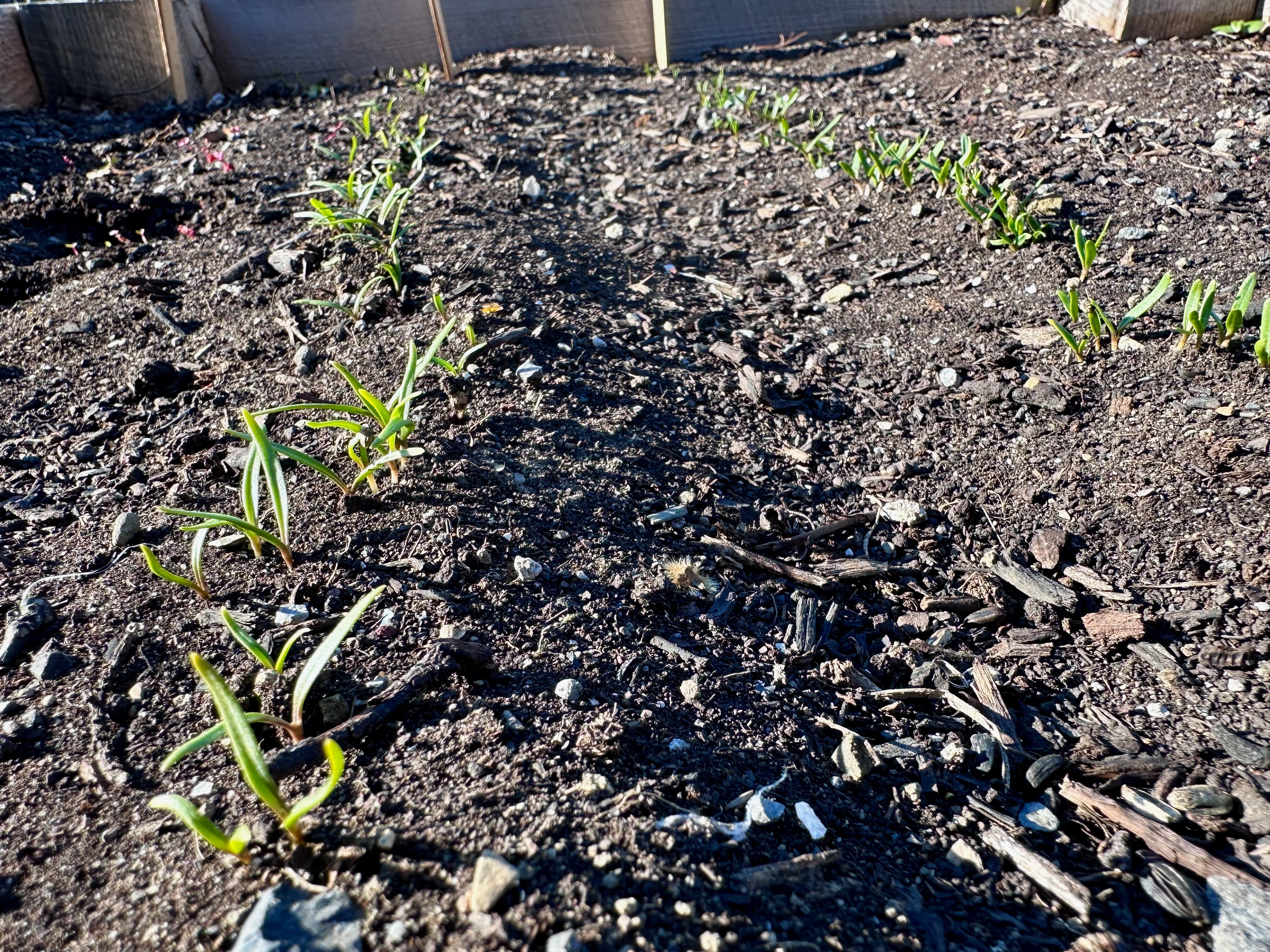
My spinach is up. I wrote about planting their seed in my March 31 post, “Garden Therapy.” Two of the three rows are up with enough green showing to mark the row. The first row didn’t come up at all. Of course, the no-show is my favorite variety, Kolibri. The two that filled their rows are Equinox and Lizard. There has to be a story behind naming a spinach variety “Lizard,” but I don’t know it nor can I imagine it.
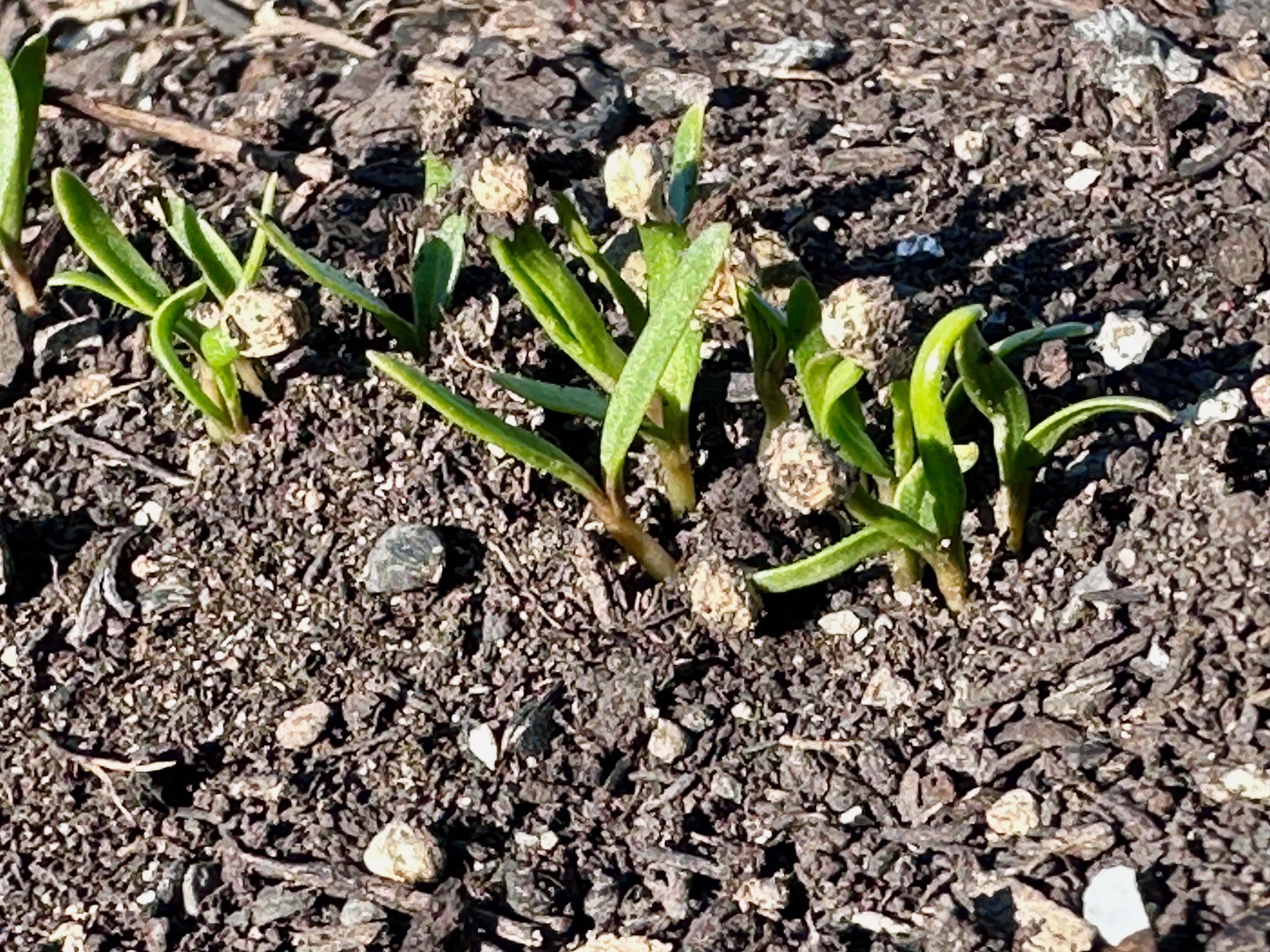
I was on my knees yesterday, before these tiny shoots of life, taking pictures in the afternoon sun. Some of the newly emerged plants are still wearing the seed husk they sprang from, like tiny party hats.
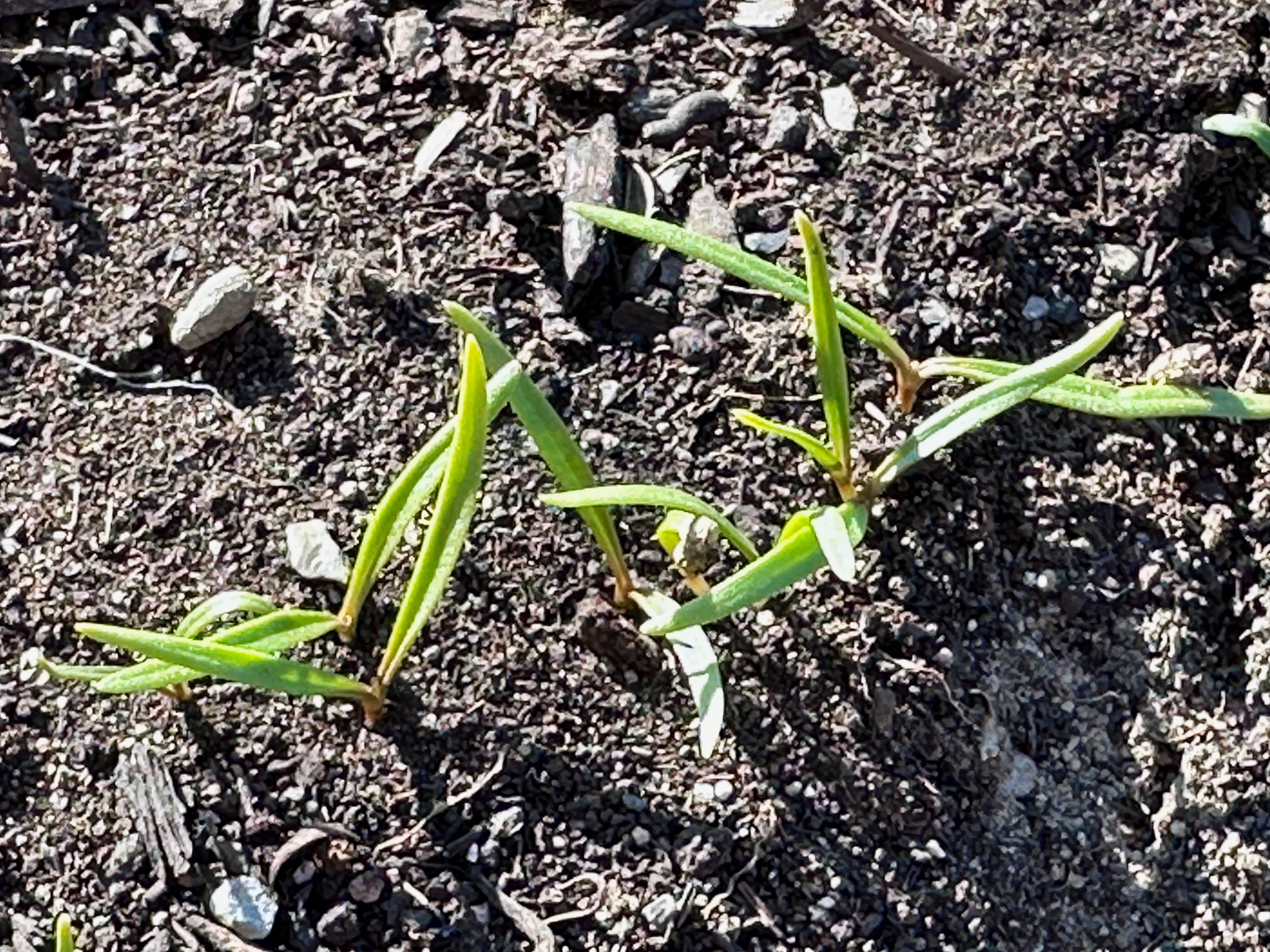
I am struck by the vulnerability of these thin blades of green. No sooner were they up than we had a freeze warning. The night before last I covered their bed with a drop cloth and a heavy blanket. In the morning the thermometer registered 22 degrees and a heavy frost covered the ground.
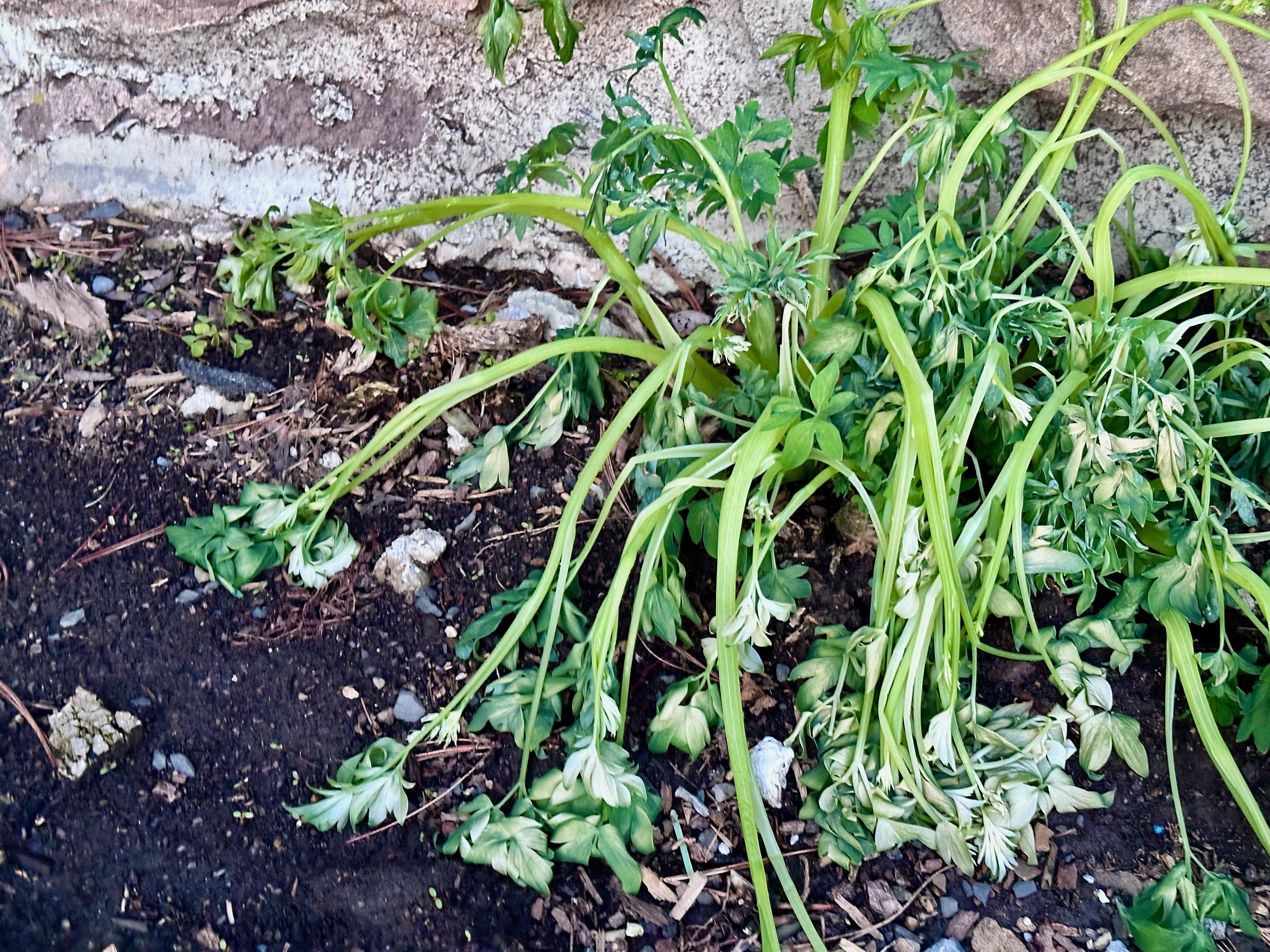
Some things, like our bleeding hearts, were hit hard. Even the rhubarb, which is rather hardy, had their tender tops frozen.
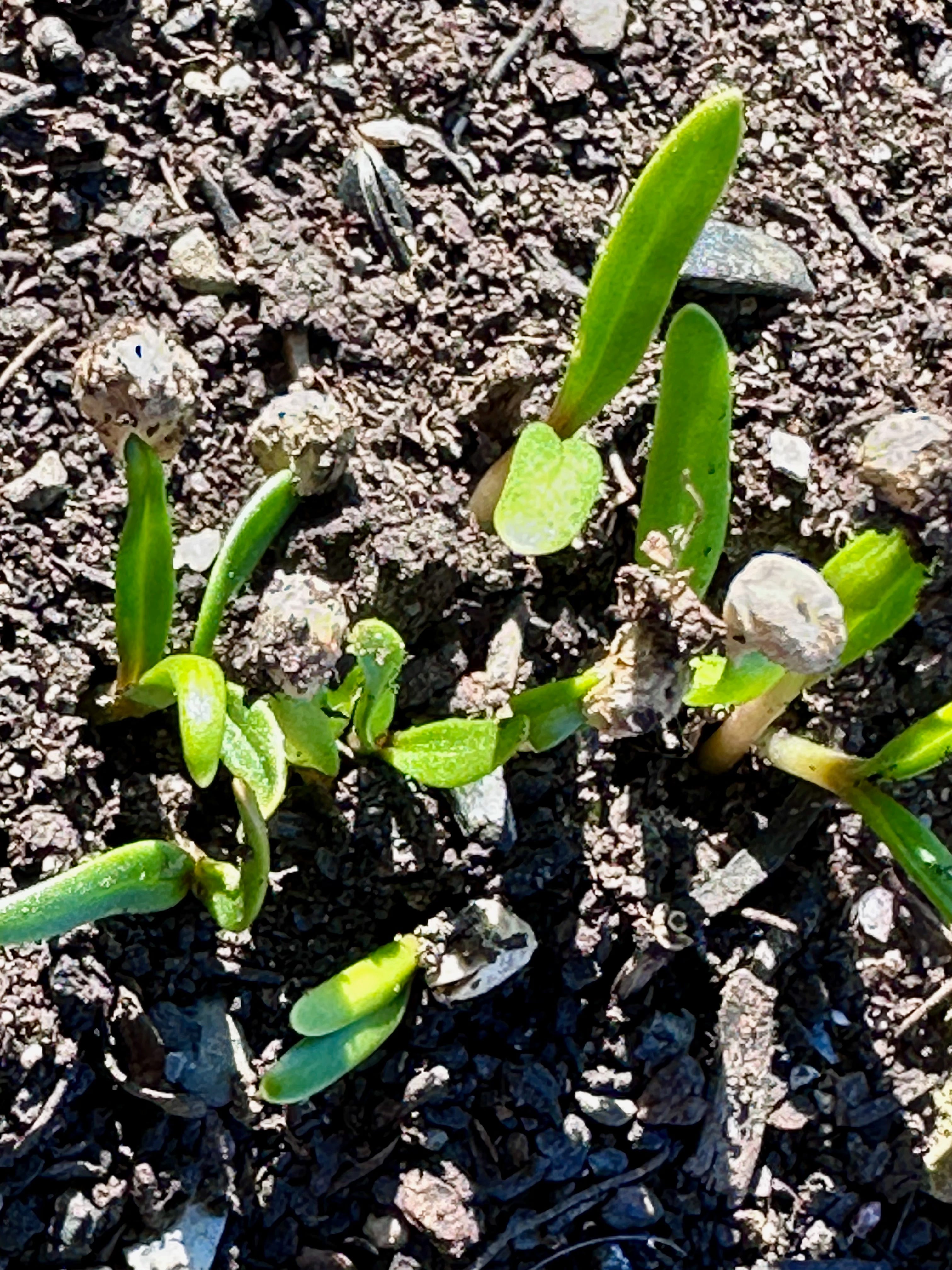
I uncovered the spinach later in the morning and after a day in the sun they looked vibrant. Their vulnerability is paired with their rigorous reach into the light.
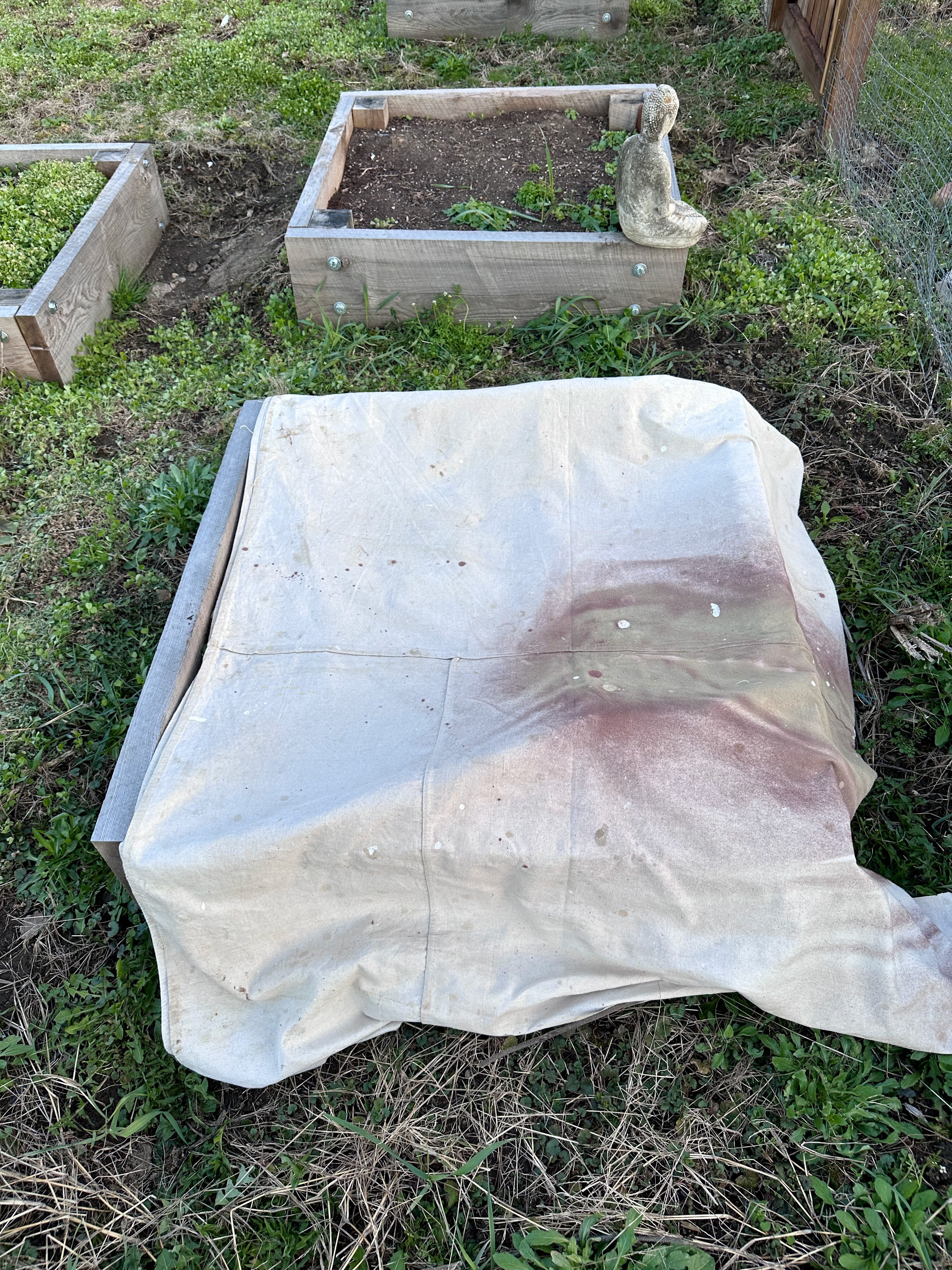
I covered them again last night. Soon we should have weather more conducive to lizards.
Love and Peace, Glenn
"Soon we should have weather more conducive to lizards." lol!
My imaginary story of the naming of lizard spinach: the creator of the spinach used cuttings from 2 different types of spinach, curious if it might be more to her liking. She planted the cuttings, and waited patiently with the new spinach, day by day. What might it be like? What kind of sun/shade/soil might it like best? How much rain might it like? When might be the best time to plant it to make the spinach happy?
Of course, she knew she would have to name it, and this stayed in the back of her mind. As she sat with the new type of spinach, she enjoyed the volunteer beauty of the ox-eye daisies, and the beets and radishes in adjoining rows kept her company. Birds flying low in the sky chatted with her. A neighbor cat amused her with his antics-- rushing up the tree, begging the Gardener's smiling, barking dog to try to get it! Quiet Skink also kept her company, and began in early March with a black tail. As the season began to progress, Skink's tail turned a sharp shade of blue (the shade of high G sharp--concert key). The Gardener was enamored with her skink friend.
Thus named her very happy (thus successful) spinach Lizard Spinach.
Thanks Glenn. I miss the country and my gardens.