

Love's Edge

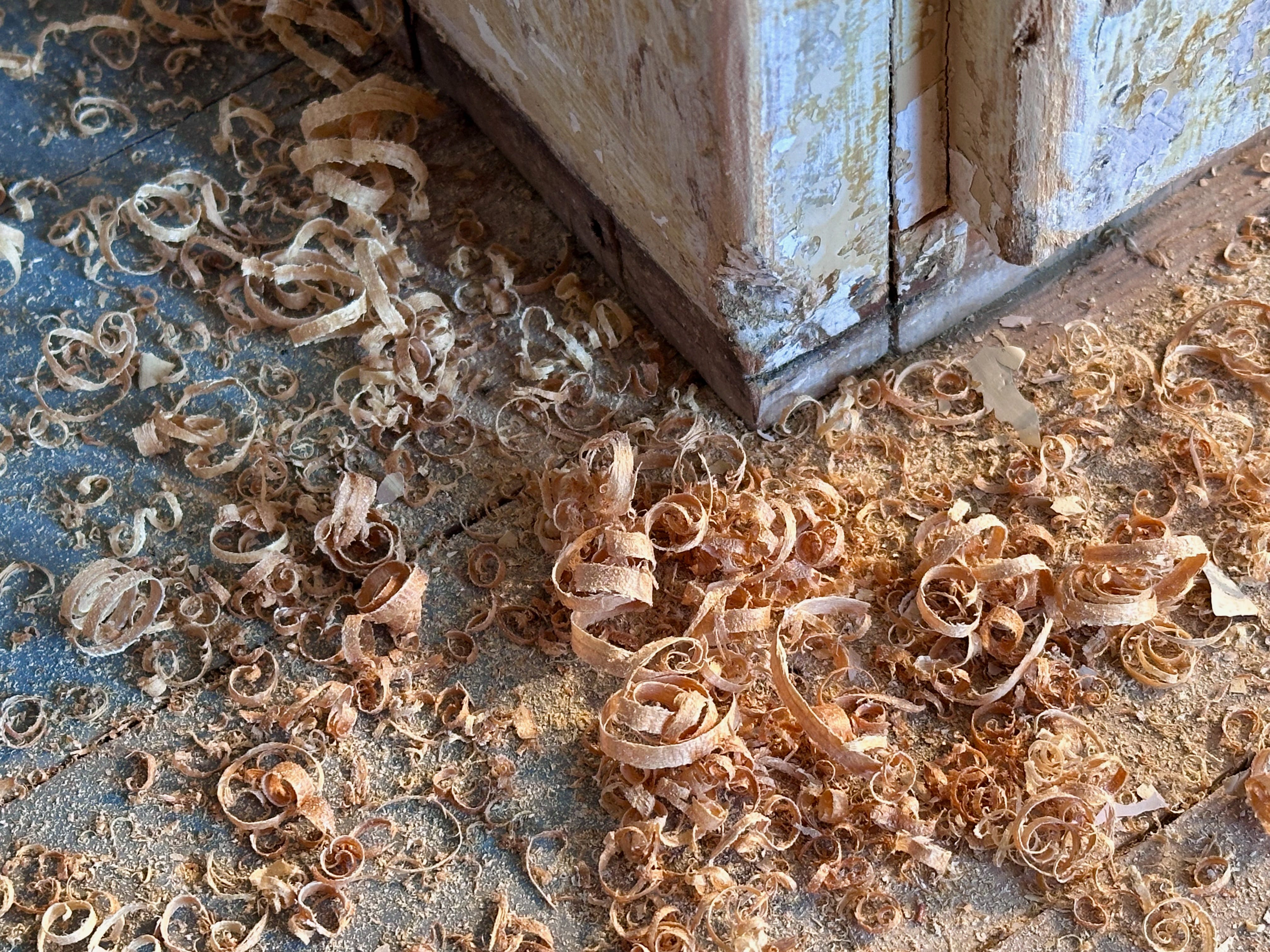
I completed the painting in the front hallway this week. I didn’t strip the old paint from the casings and baseboard there but I did scrape them. The last couple layers of paint were over a high gloss surface and the paint had no real purchase. It popped off easily. I cleaned the scrapped surfaces with TSP and followed that with a coat of Zinsser primer which adheres well to old paint.
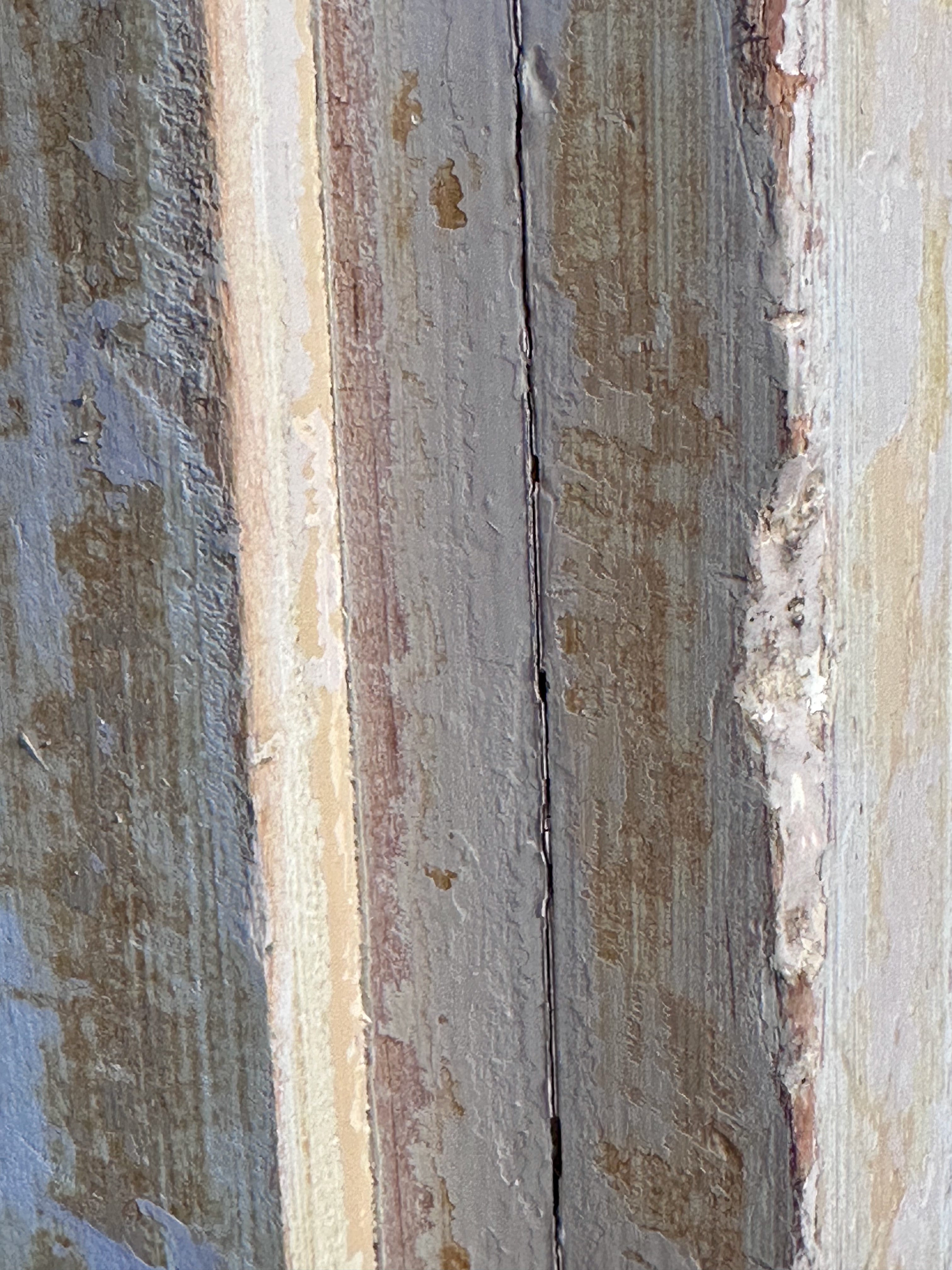
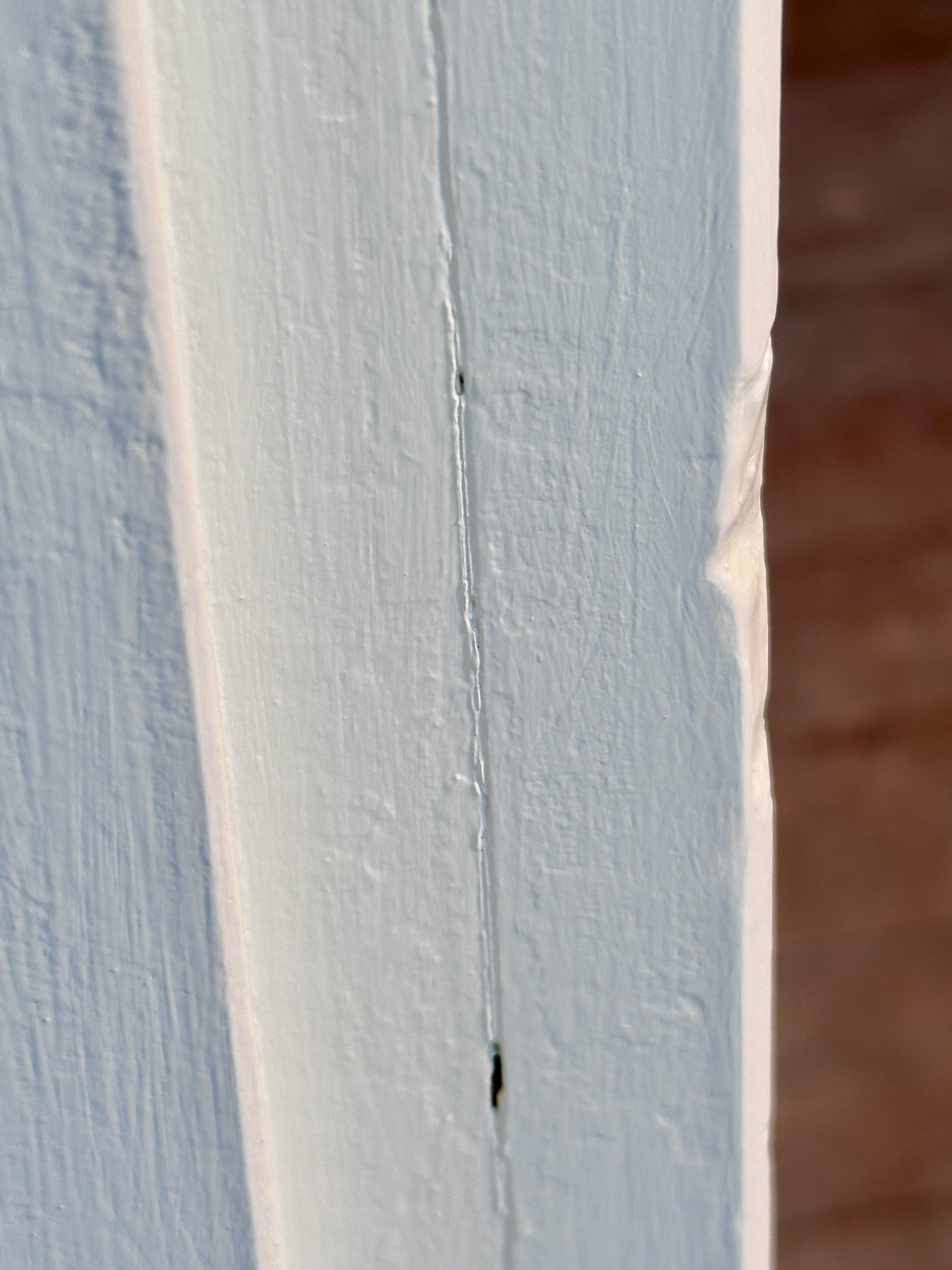
Before I brushed on the primer, I addressed the edges. I mentioned in an earlier post that I like to break the sharp edges with a block plane. There are places where the scraping process itself left a sharp edge or damaged a corner. But mostly I bevel the edges because over 140 years they have been dinged by all manner of things passing through these doorways. How many times have pieces of furniture been moved back and forth? How many times did the vacuum cleaner knock against the casing as it was dragged or carried through the doorway? I know, just in two years, I’ve bumped against these casings many times as I’ve moved saw horses and arm loads of tools from one room to another. All of it has taken a toll on the integrity and form of the edge. It’s not that one notices the individual ding, what leaves an impression is the sense of damage and the loss of original intention. The accumulation of damage when combined with a lack of response, creates a climate of neglect. (You can follow one particular edge section shown above, as the work progresses.)
Sometimes the easiest and quickest path is the best. To take time to remove the casings would not only damage the casings further but would disturb the plaster behind them, which can lead to a major time sink. So I addressed the edges. Surface marks on the casings add character and reveal the nature of the material, while making a crisp bevel on the edge reveals the care that the old is being given here. And it makes a place for the light to gather and allows the hand to be comfortable in its touch. It is a simple thing, a gesture really, that speaks of renewal and possibility. It doesn’t remove all the damage, some is too deep, but it sets a line of intention.
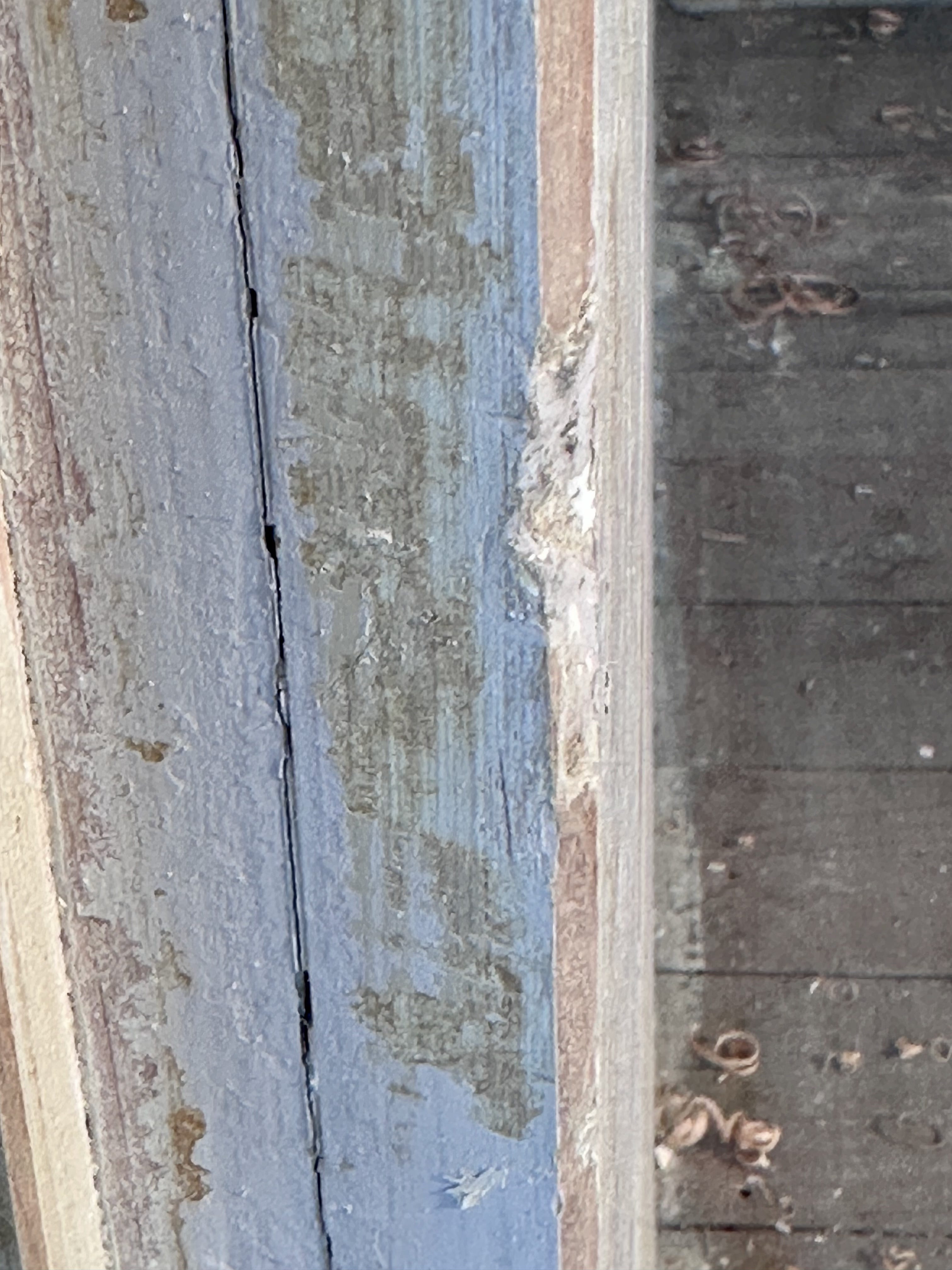
Transformation isn’t erasure, in many ways, what was, remains. Transformation is the way love comes to damage done. Appearances may be similar after transformation, but the eye and the heart, and sometimes the hand, will find the signs of love’s work. A thing, a being, will be different deep down, and there will be marks of that difference on the surface.
Transformation is revealed in the way the light is tended and received, in the way the presenting edges reveal attention and care, in the way all our renewed edges meet the world.
Love and Peace, Glenn
Transformation- timely. Thank you-as always. 🙏🏼🕸️💜
I love the last 2 paragraphs in this piece—again, layers of metaphor here. And the images tell the story, too. There is a softness in the finished casing that speaks to the love it received. Thanks for sharing all of this.